A conclusione dello scenografico “Scalone d’onore” dell’ala cinquecentesca, nel quale campeggia il motto “Humilitas” della famiglia Borromeo, si giunge al “Corridoio delle statue”, nel quale oggi sono esposte numerose statue originali in bronzo, terracotta e marmo provenienti dalle sale del Ninfeo, nel quale sono state collocate delle copie per problemi conservativi.
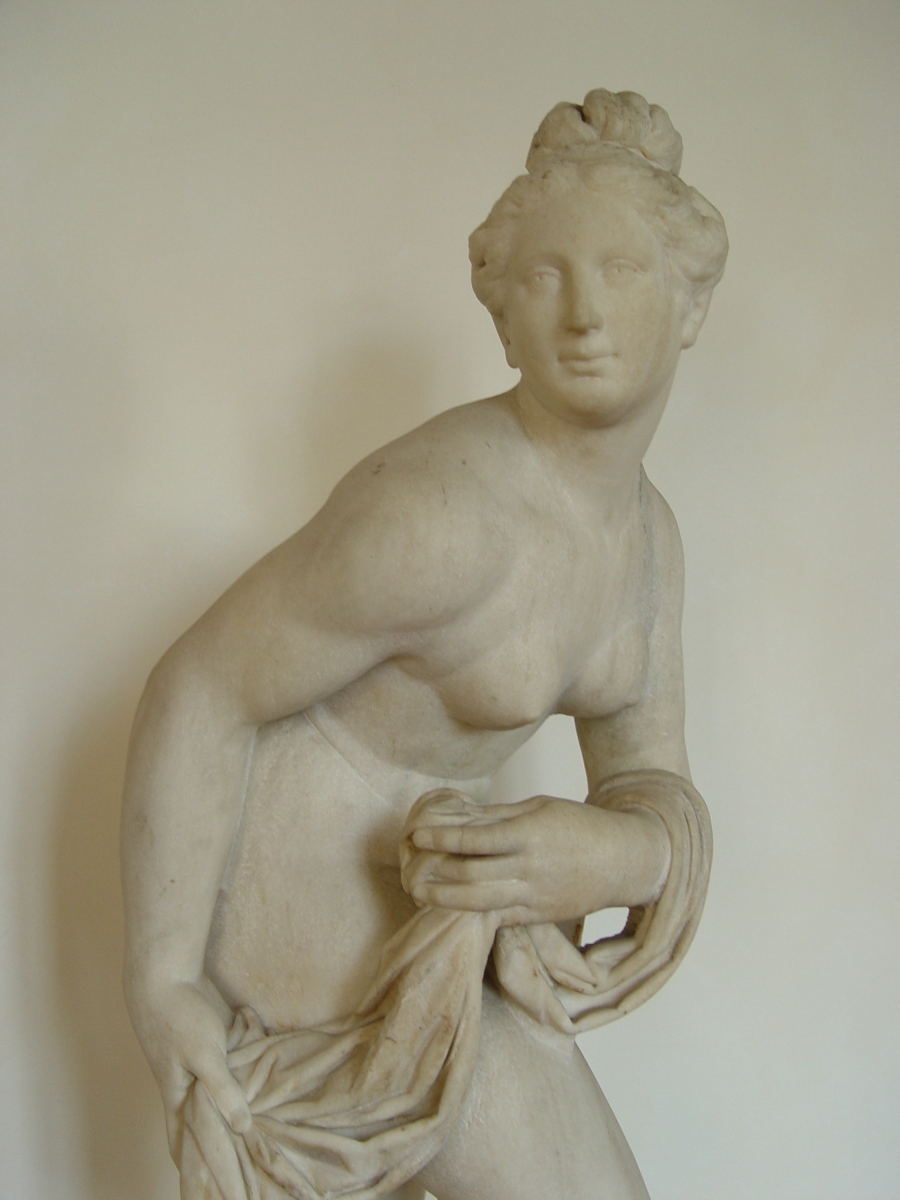
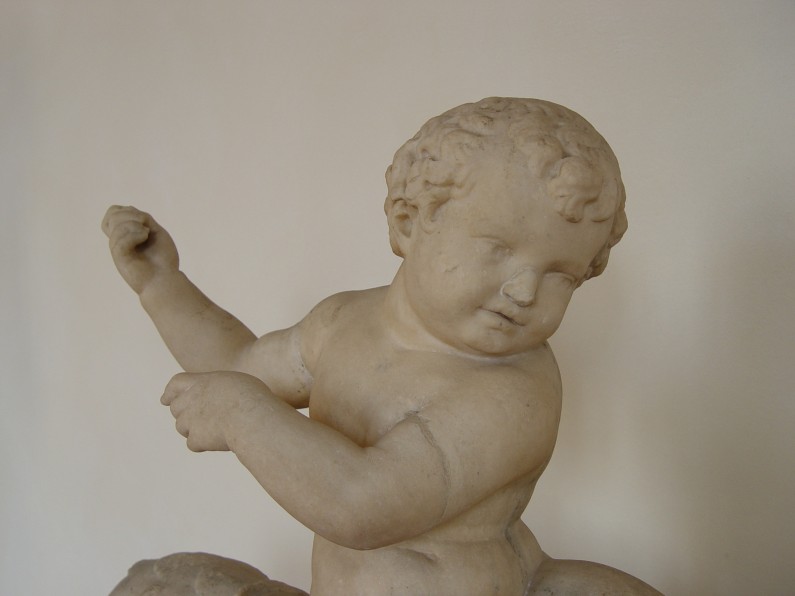
Tra le opere più rappresentative vi sono i marmi della “Venere al bagno” e il “Drago cavalcato da un putto”, entrambi provenienti dalle “Grotte Vecchie” del Ninfeo e attribuite allo scultore Marco Antonio Prestinari (morto nel 1621). Altrettanto significativo è il “Drago” in terracotta, realizzato intorno al 1585 per decorare una sala interna dei giochi d’acqua, che attesta il grande interesse di Pirro I Visconti Borromeo per le figure zoomorfe e le creature leggendarie, che nella sua idea avrebbero dovuto materializzarsi nelle grotte del Ninfeo, insieme a tutti gli animali fantastici che popolano i mosaici delle pareti, dei pavimenti e dei soffitti.
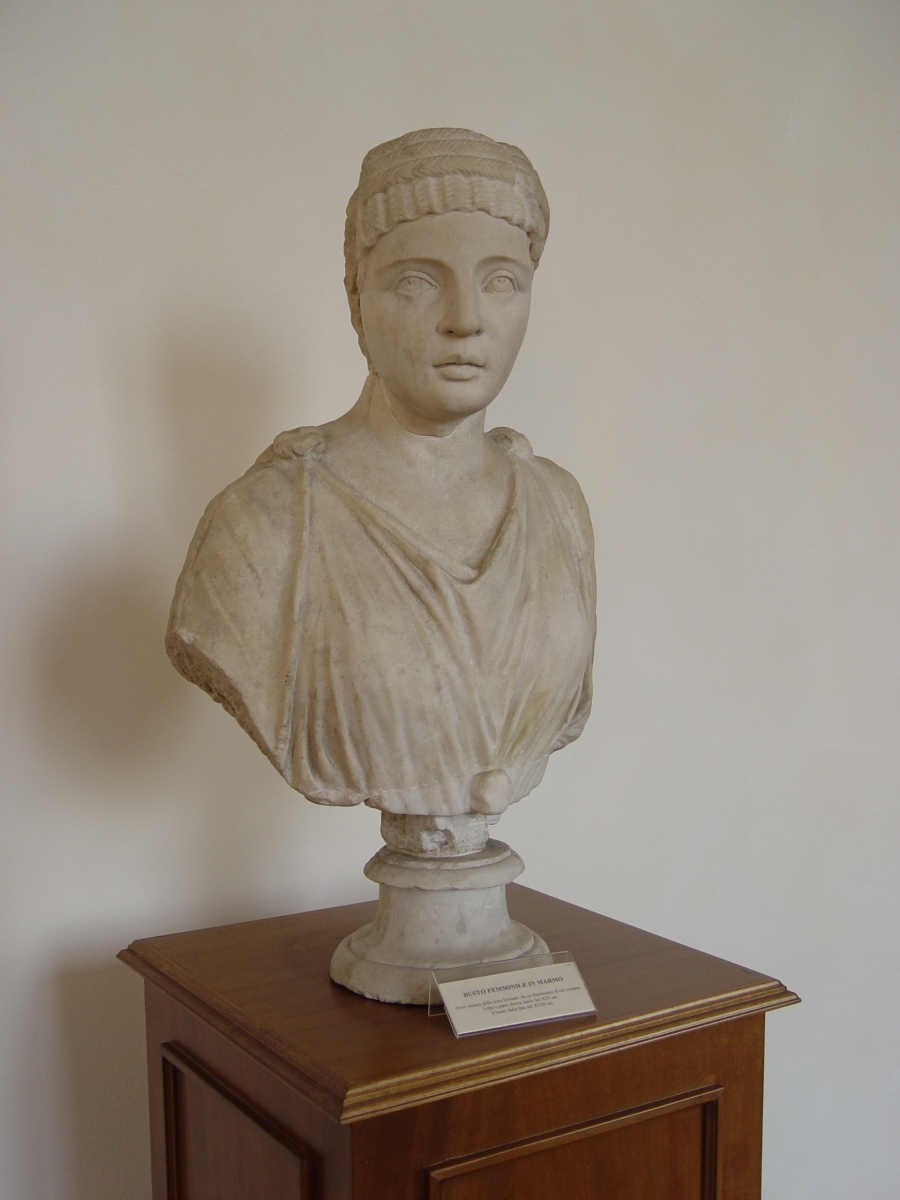
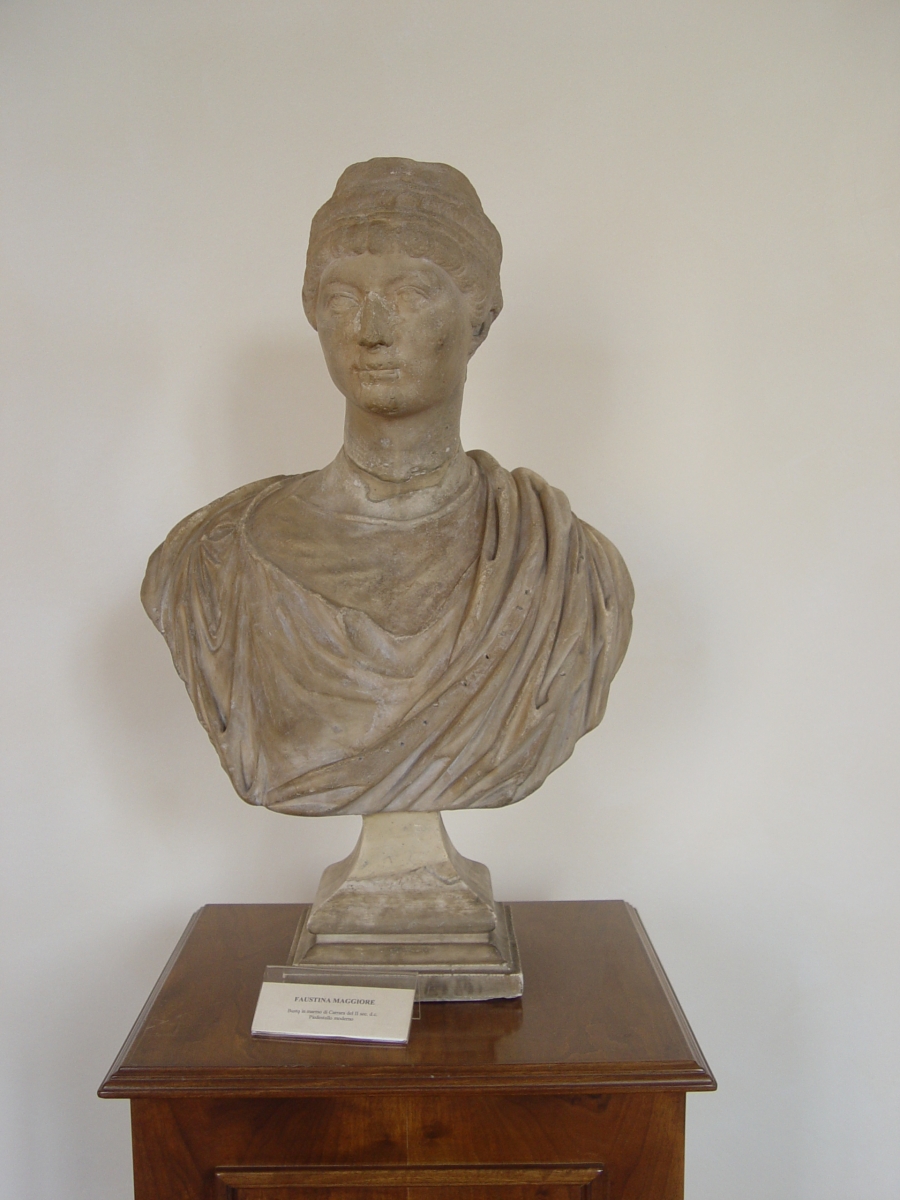
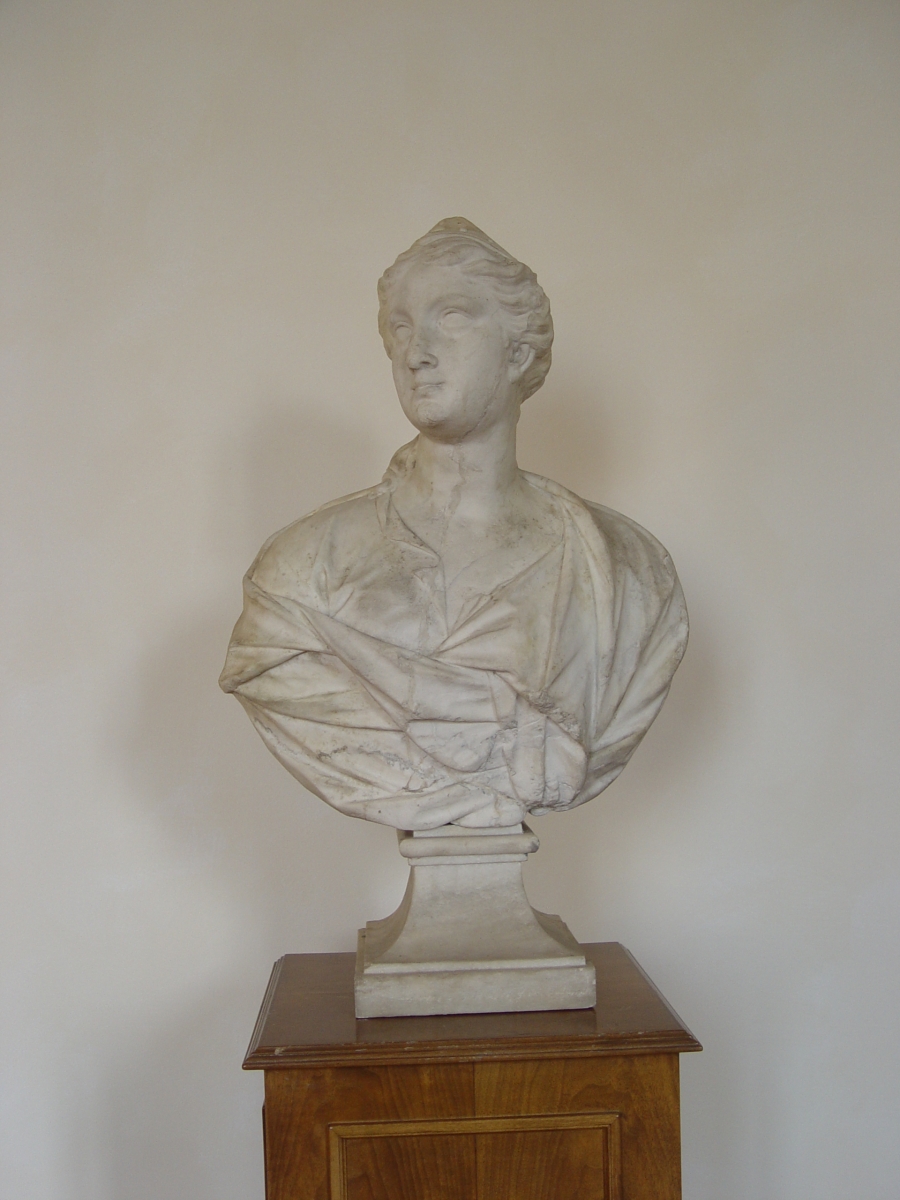
Seguono una serie di busti femminili in marmo, tra i quali spicca per bellezza il ritratto di Annia Galeria Faustina, nota come Faustina Maggiore, appartenente alla dinastia degli Antonini e zia dell’imperatore romano Marco Aurelio. Il suo volto risale al II secolo a.C. ed è collocato su un busto rifatto in epoca moderna. All’interno di due teche sono infine conservati alcuni profili di imperatori romani in marmo, un tempo incastonati nelle pareti a mosaico del Ninfeo, e una scultura in piombo raffigurante il dio “Bacco” o un “Sileno”, divinità minore dei boschi dalla natura selvaggia e lasciva, molto spesso assimilato a un satiro.
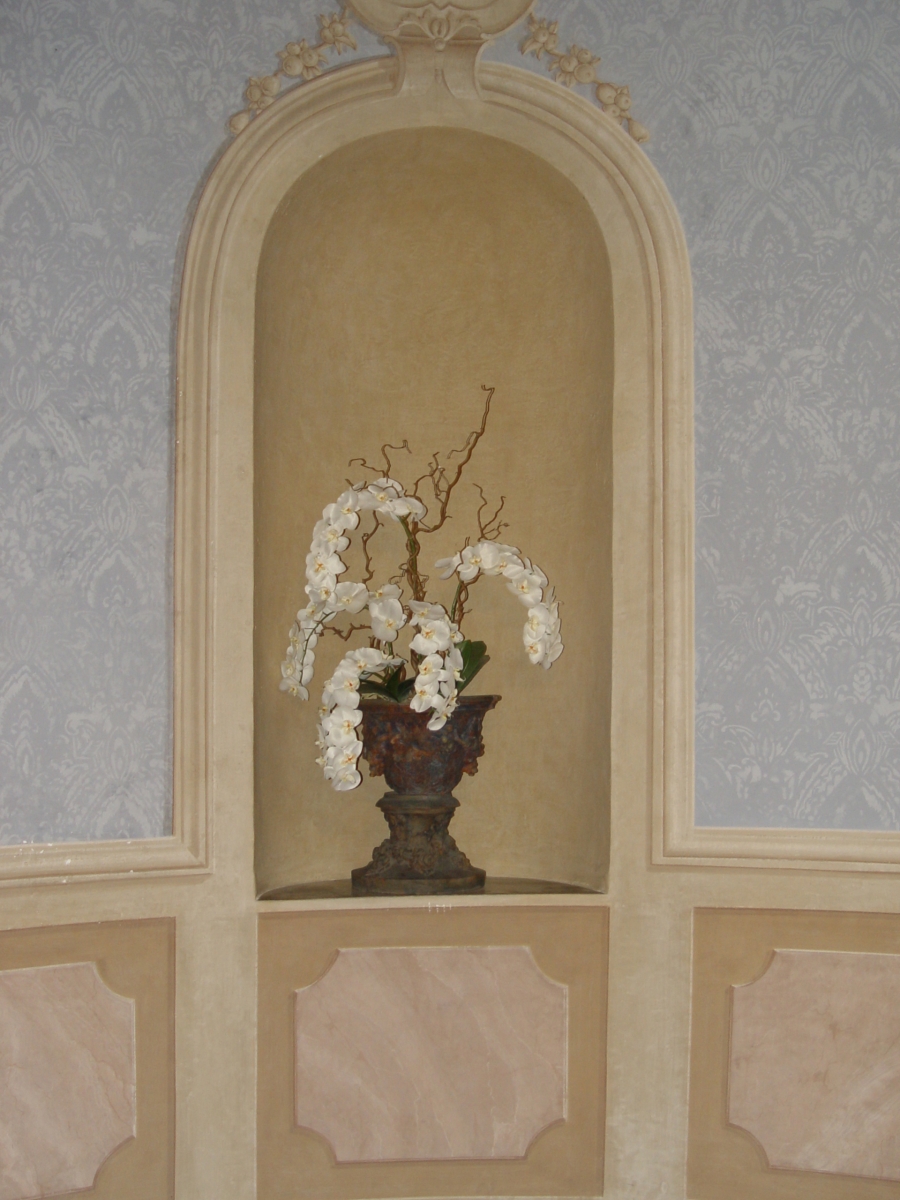
Superate le prime opere scultoree si ha accesso al “Salottino blu”, una piccola stanza le cui decorazioni su soffitto e sulle pareti sono state restaurate riproducendo l’originale stile ottocentesco, posto in corrispondenza della “Rotonda del Mercurio” del piano inferiore. Questo ambiente è caratterizzato dalla presenza di un piccolo balconcino che si affaccia sul Ninfeo e costituisce uno dei pochissimi volumi superstiti del piano nobile cinquecentesco, risparmiato dalle numerose modificazioni che hanno interessato questa parte del complesso architettonico.
At the end of the scenic “Staircase of honour” of the 16th-century wing which shows the motto “Humilitas” of the Borromeo family, you reach the “Corridor of statues,” which today exhibits many of the original statues in bronze, terracotta and marble coming from the halls of the Nymphaeum, in which copies of the statues were placed, due to problems of preservation.
Among the most representative works are the marbles of “Venus in the bath” and the “Dragon ridden by a cupid,” both taken from the “Old Grottos” of the Nymphaeum and attributed to the sculptor, Marco Antonio Prestinari (deceased in 1621). Likewise important is the “Dragon” in terracotta, produced around 1585 to decorate an internal hall with water plays, testifying to the great interest of Pirro I Borromeo Visconti in zoomorphic figures and legendary creatures, which to his mind should have been placed in the grottos of the Nymphaeum, together with all the fantastic animals populating the mosaics of the walls, floors and ceilings.
To follow are a series of feminine busts in marble, among which the portrait of Annia Galeria Faustina stands out for its beauty. She was also known as Faustina Maggiore belonging to the dynasty of the Antonini family and aunt of the Roman Emperor, Marcus Aurelius. His face traces back to the 2nd century BC and is placed on a bust remade in modern times. Inside the two trophy cases some profiles of Roman Emperors in marble are kept and that once were embedded in the mosaic walls of the Nymphaeum, and a lead sculpture depicting the god, “Bachus,” or a “Silenus,” a minor divinity of the woods, wild and of a lewd nature, and often made to resemble a satyr. Once past the first sculptures, one enters the “little Blue parlour,” a small room where the decorations on the ceiling and walls were restored reproducing the original 19th-century style, set in correspondence with the “Circle of Mercury” and the lower floor. This room is characterized by the presence of a tiny balcony looking out over the Nymphaeum and is one of the very few structures that remained of the 16th-century first floor, untouched by the numerous changes this part of the complex underwent.