A testimonianza della vitalità del parco pertinenziale di Villa Visconti Borromeo Litta vi sono anche i lavori di ampliamento del giardino all’inglese progettato nel 1932 dall’architetto Giuseppe Tramajoni che lo arricchì con nuove specie arboree.
In quest’area le leggere pendenze del terreno mettono in risalto gli alberi ad alto fusto, che consentono di passeggiare all’ombra, allietati dai giochi di luce creati dai raggi del sole che filtrano nelle chiome di faggi, tigli, tassi, frassini, aceri e querce.
Queste ultime sono alberi maestosi che appartengono alla famiglia delle Fagaceae, da sempre considerati simbolo della forza in ragione della folta chioma aperta.
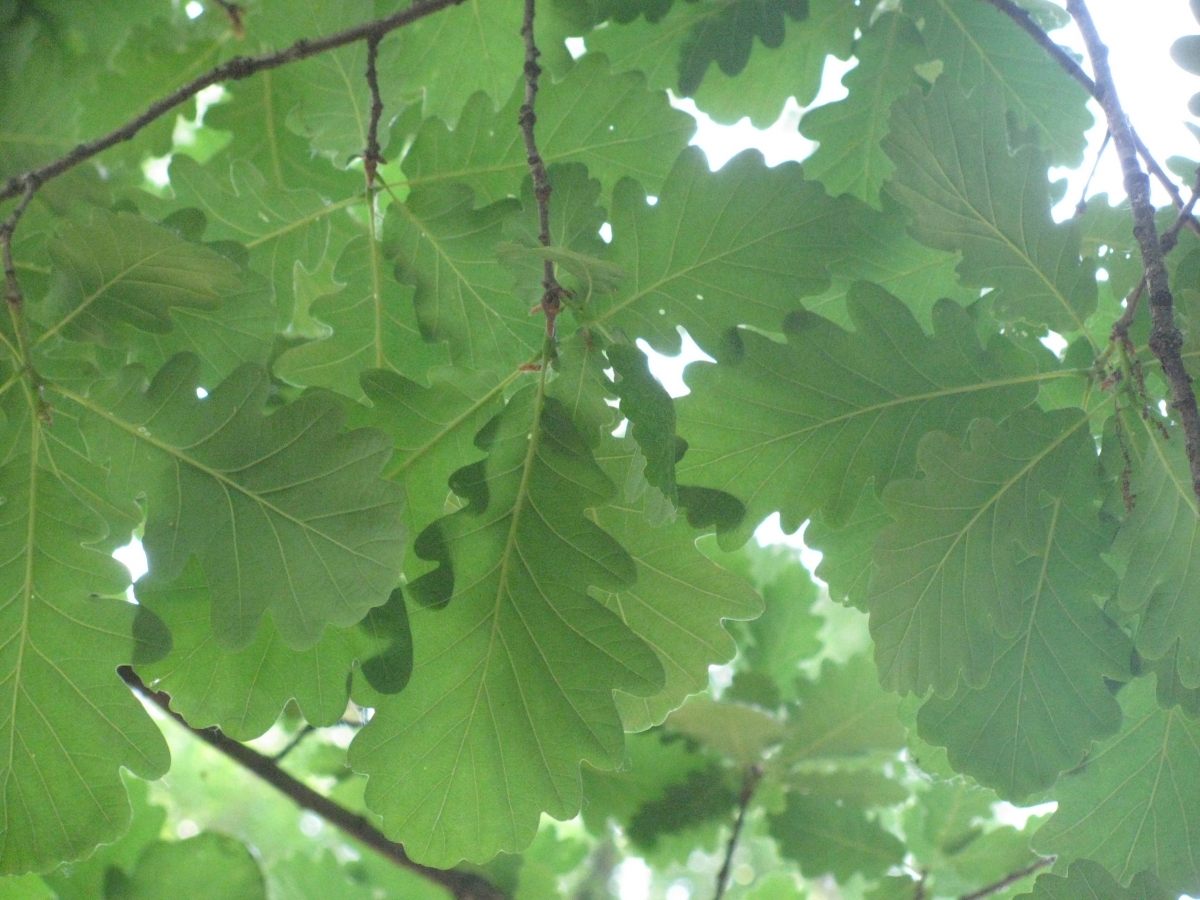
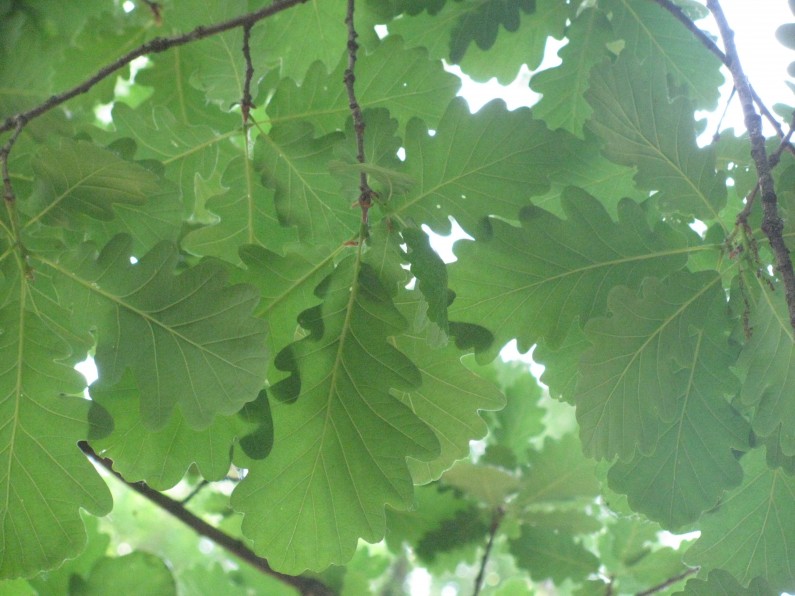
Nella Roverella (Quercus pubescens) le foglie sono alterne e lobate con picciolo pubescente (piccola peluria), come la pagina inferiore delle foglie più giovani. È una quercia ad accrescimento assai lento e limitato. Grandi esemplari di alto fusto si trovano con una certa frequenza nei parchi delle ville antiche sebbene ampio impiego ne è stato fatto nel XX secolo, come attesta la sua presenza anche nel Bosco delle Querce di Seveso.
Tutte le specie del genere Quercus sono monoiche e anemofile, cioè disperdono il polline aiutati dal vento. I frutti, chiamati ghiande, sono delle noci racchiuse in una cupola più o meno sviluppata, che con il tempo lignifica.
La ghianda della roverella è allungata e protetta fino a quasi metà da una cupola a squame, regolari ma non molto rilevate. La roverella è stata a lungo utilizzata per l’alimentazione dei suini; del resto, la paleontologia ci ha indicato che le ghiande erano mangiate dagli uomini primitivi e dalle persone in tempo di guerre e carestie.
La sua imponenza e longevità, insieme ai tanti doni che offre a uomini e animali, hanno ispirato il simbolo del padre, celeste e terreno; e conseguentemente quello della sovranità sia divina sia terrena.
Oltre a ragioni estetiche e culturali la diffusione della quercia nelle proprietà della nobiltà e borghesia europea è legata anche al notorio impiego della sua corteccia nell’ambito della conceria delle pelli. Questa parte della quercia, infatti, è ricca di tannino, una sostanza indispensabile per rendere morbide le pelli. Dopo averle ammorbidite in una fossa di calce e aver rimosso i peli e i residui di carne, infatti, le pelli venivano immerse in bagni di cortecce di querce schiacciate. Il cuoio che ne risultava veniva poi sciacquato e lasciato asciugare, assumendo specifiche proprietà in funzione della durata e della quantità di corteccia di quercia presente nelle vasche di immersione.
As evidence of the vitality of the park of Villa Visconti Borromeo Litta, there were projects to extend the English landscaped garden designed in 1932 by the architect, Joseph Tramajoni who enhanced it with new tree species.
In this area the slight slope of the ground highlights the height of the trees which allow you to stroll under their shade, cheered on by the play of light created by the sun filtering into the branches of the beech, lime, yew, ash, maple and oak trees.
These are majestic trees that belong to the beech family and were always considered a symbol of strength because of their thick open crown.
In the downy oak (Quercus pubescens), its leaves are alternate and lobed with pubescent (small hairs) petiole as in the undersides of young leaves. Its growth is very slow and limited. Large specimens of trees are found with some frequency in the parks of old villas although there was an extensive use of these trees in the 20th century, as evidenced by its presence in the Oak Forest of Seveso.
All species of the genus Quercus are monoecious and anemophilous, that is, their pollen is dispersed by the wind. The fruit, called acorns, are nuts enclosed in a more or less developed dome that lignifies with time. The acorn of the oak is elongated and almost half protected by a regularly scaled dome, which is not very recognizable. The oak has long been used for feeding pigs; moreover, palaeontology has shown us that acorns were eaten by prehistoric people and in times of war and famine. Its grandeur and longevity, along with the many benefits it provides for men and animals, have made it a symbol of the heavenly and earthly Father; and therefore, what is sovereign is both divine and earthly.
In addition to aesthetic and cultural reasons, the diffusion of the oak tree in the properties of the aristocracy and the European bourgeoisie was also linked to the notorious use of its bark in the leather trade. This part of the oak, in fact, is rich in tannin, a substance indispensable for making soft leather. After being softened in a lime pit and the removal of the hair and meat residues, the skins were, in fact, immersed in baths of crushed oak barks. The resulting leather was then rinsed and left to dry, assuming specific properties depending on the duration and amount of oak barks in the immersion troughs.