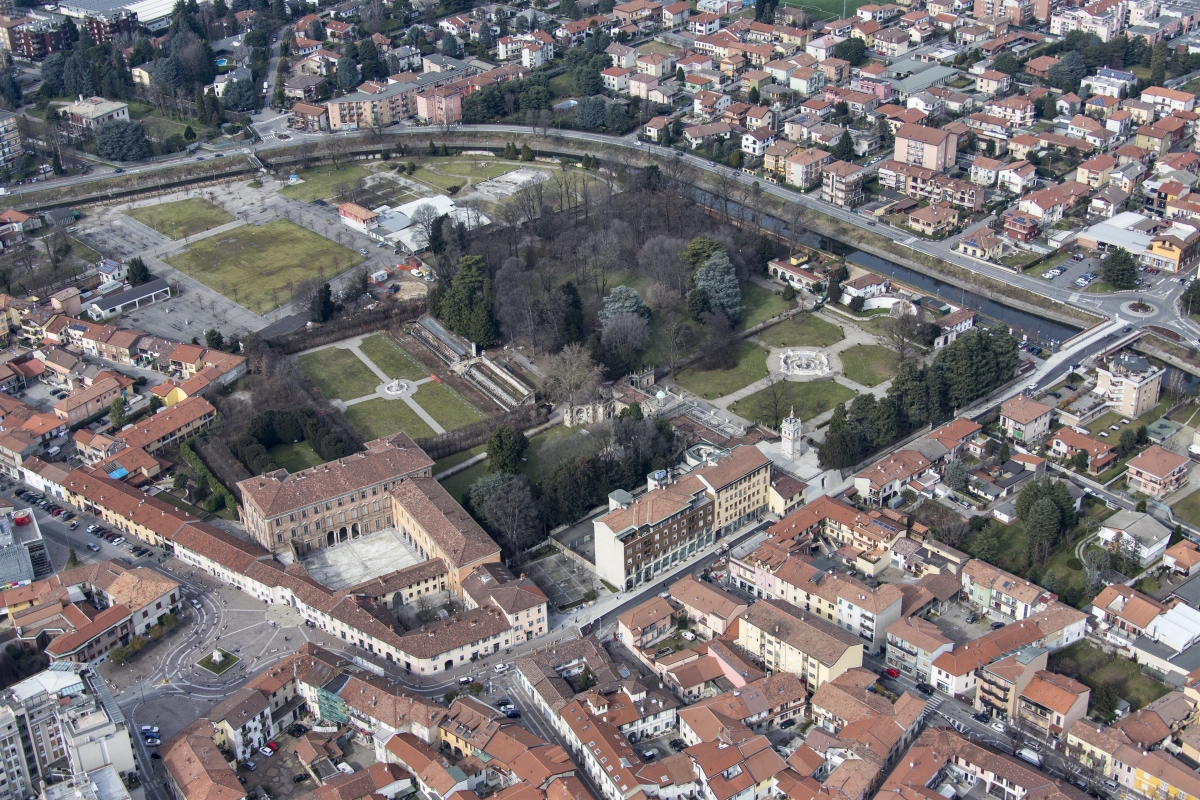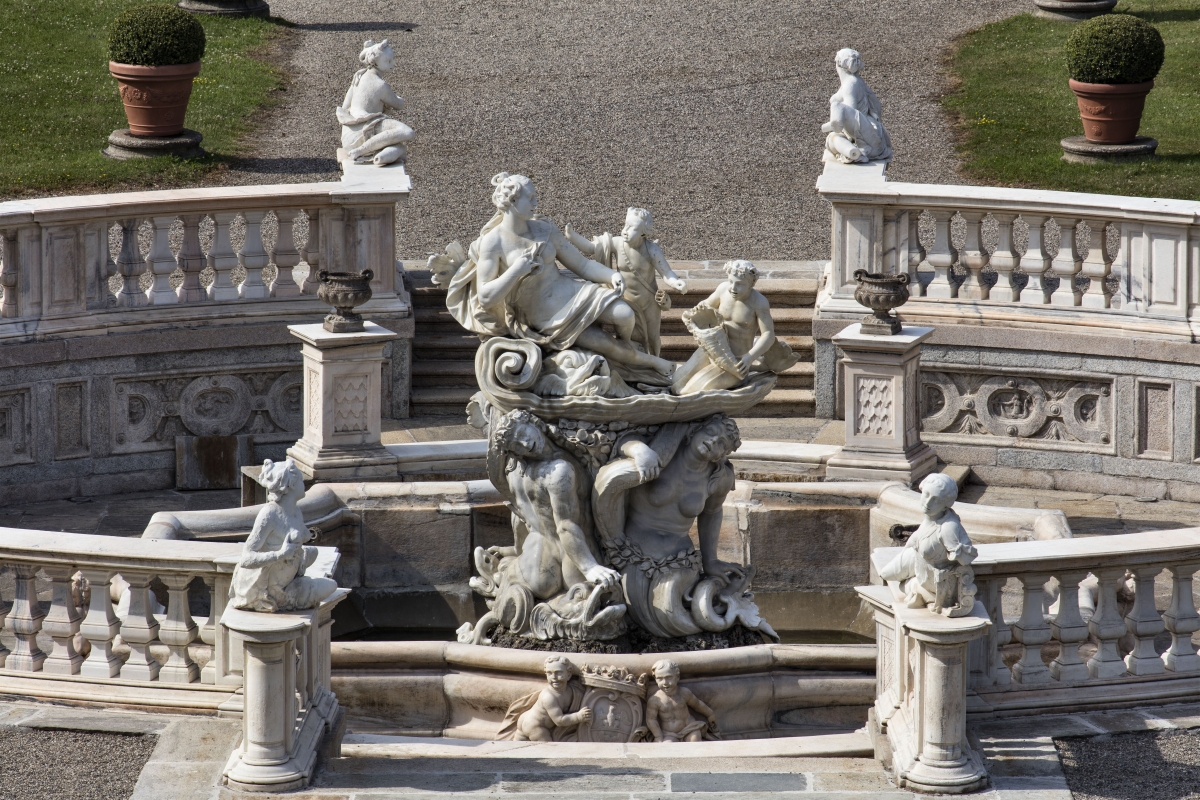
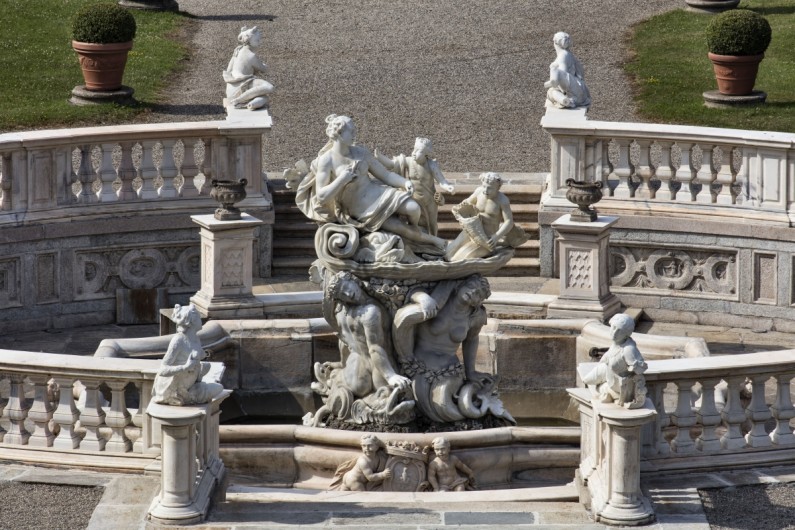
Ammirevole affermazione della cultura artistico-architettonica lombarda del tardo Cinquecento, la villa lainatese costituisce anche l’esemplare testimonianza dell’importanza assunta in quel periodo della ritualità del vivere in villa e della scenografia urbana, spesso modificata per documentare il prestigio raggiunto dalle principali casate nobiliari. Non è dunque casuale se Villa Visconti Borromeo Litta fu riedificata sull’impianto di edificio rurale risalente ai secoli precedenti, con lo scopo di stupire e affascinare i nobili inviatati a questa piccola corte lombarda.
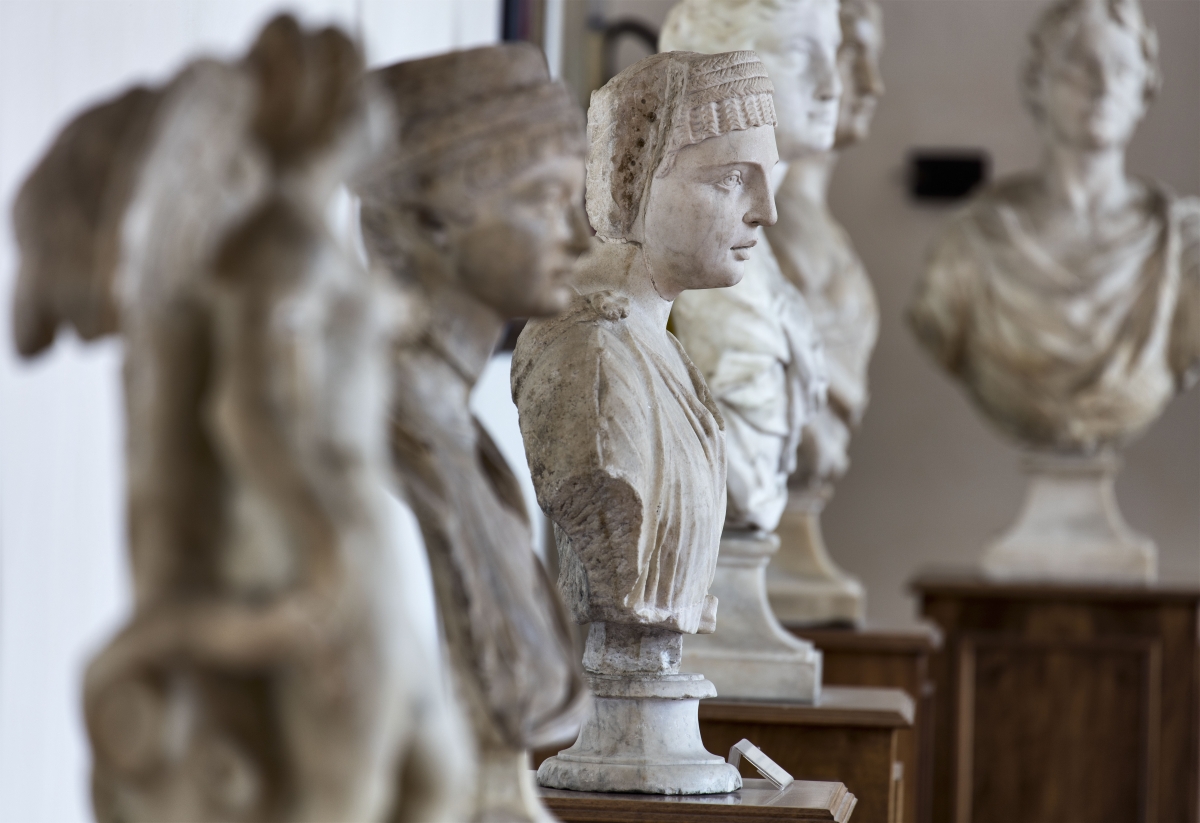
I lavori di radicale trasformazione furono eseguiti per volere di Pirro I Visconti Borromeo (1560-1604), considerato un raffinato mecenate e collezionista di arte antica, che affidò la progettazione della grande villa all’architetto Martino Bassi, uno dei maggiori professionisti attivi a Milano nella seconda metà del XVI secolo. Per gli apparati decorativi la nobile famiglia Visconti Borromeo chiamò, tra gli altri, lo scultore Francesco Brambilla e il pittore Camillo Procaccini. Quest’ultimo fu invitato a Lainate da Pirro I Visconti Borromeo nel 1587, dove lavorò insieme ai fratelli Giulio Cesare e Carlo Antonio, coi quali nacque una felice e duratura collaborazione che si svolse nell’alveo della cultura controriformata milanese-lombarda.
Consigliere culturale personale di Pirro e ideatore dell’impianto iconografico generale di villa e Ninfeo, fu, secondo lo storico dell’arte Alessandro Morandotti, il Lomazzo, insigne pittore e trattatista milanese che seppe creare uno stile personale unendo la lezione michelangiolesca con i nobili retaggi lasciati da Leonardo da Vinci, con le ricerche prospettiche del Bramantino e dello Zenale e con la freschezza della pittura gaudenziana.
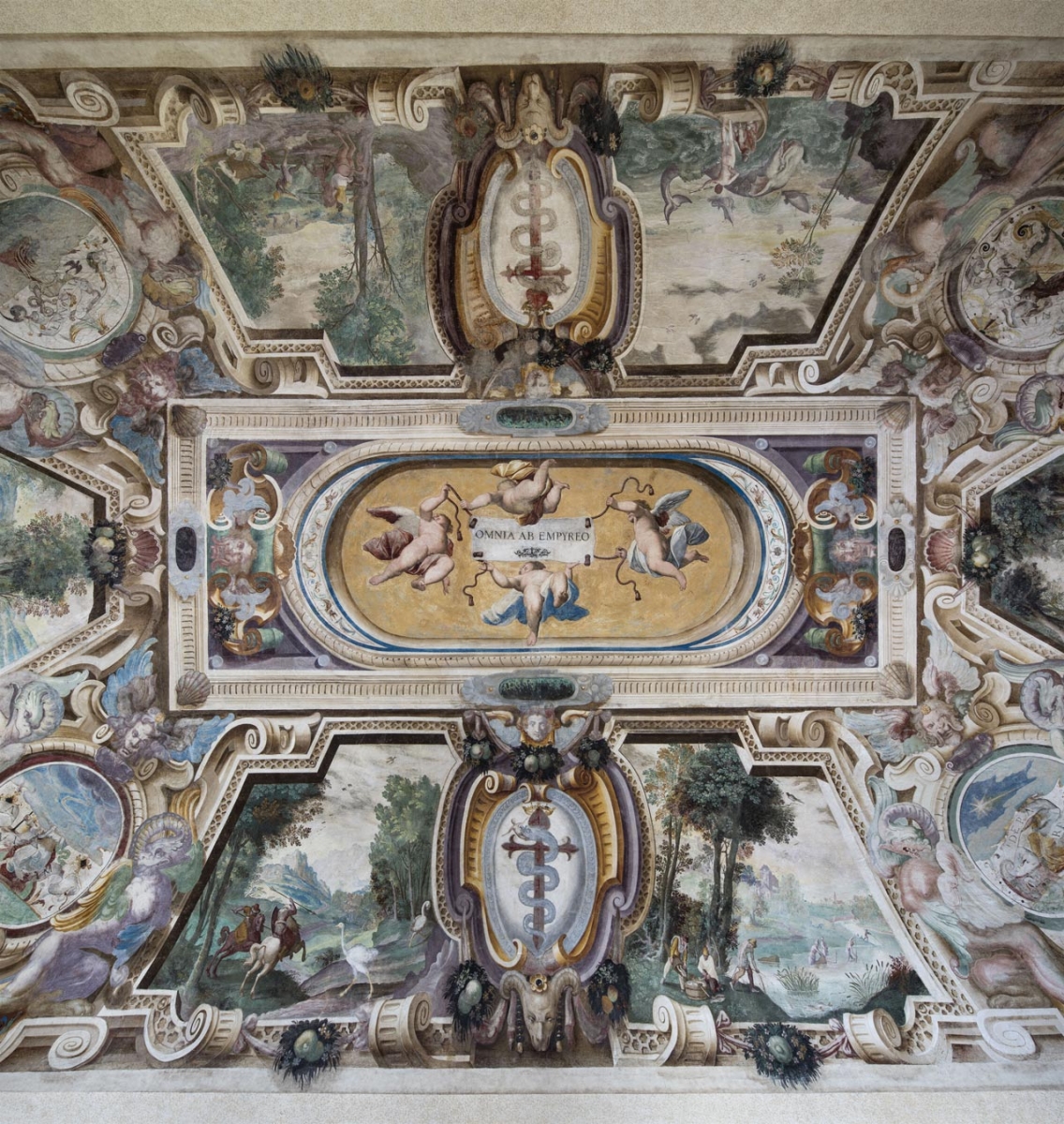
L’apparato decorativo della villa di Lainate conservatosi sino ad oggi, tuttavia, è ascrivibile a differenti epoche. Affreschi stilisticamente molto diversi ornano le sale secondo un vero e proprio excursus che conduce dalla seconda metà del Cinquecento al Settecento. Tale varietà, da estendere anche alla tecnica esecutiva delle opere, non è esclusivamente ascrivibile alle differenti fasi di edificazione della nobile dimora o ai personali contributi dei singoli artisti che lavorarono nella suntuosa dimora, ma è connesso anche alla moda del tempo e al mutare delle ragioni politico-amministrative che spinsero i proprietari ad affermare con maggior o minor vigore il potere raggiunto dalla propria casata.
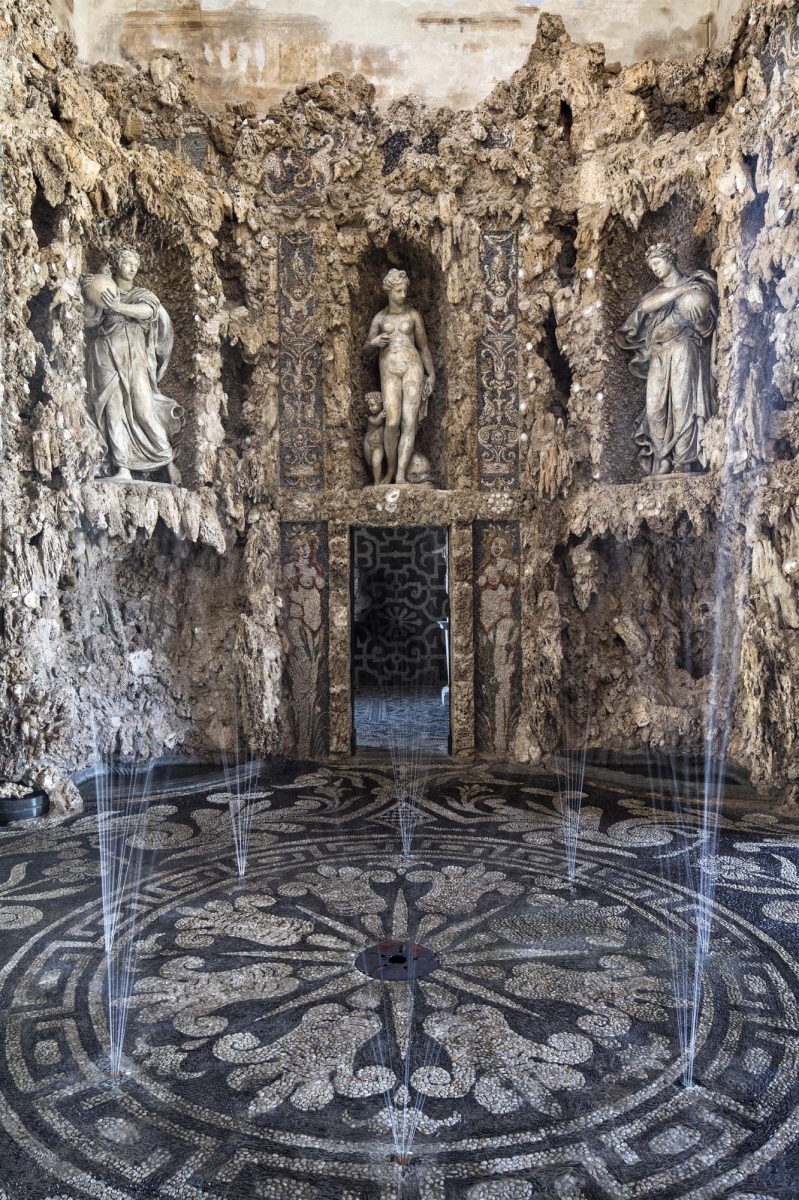
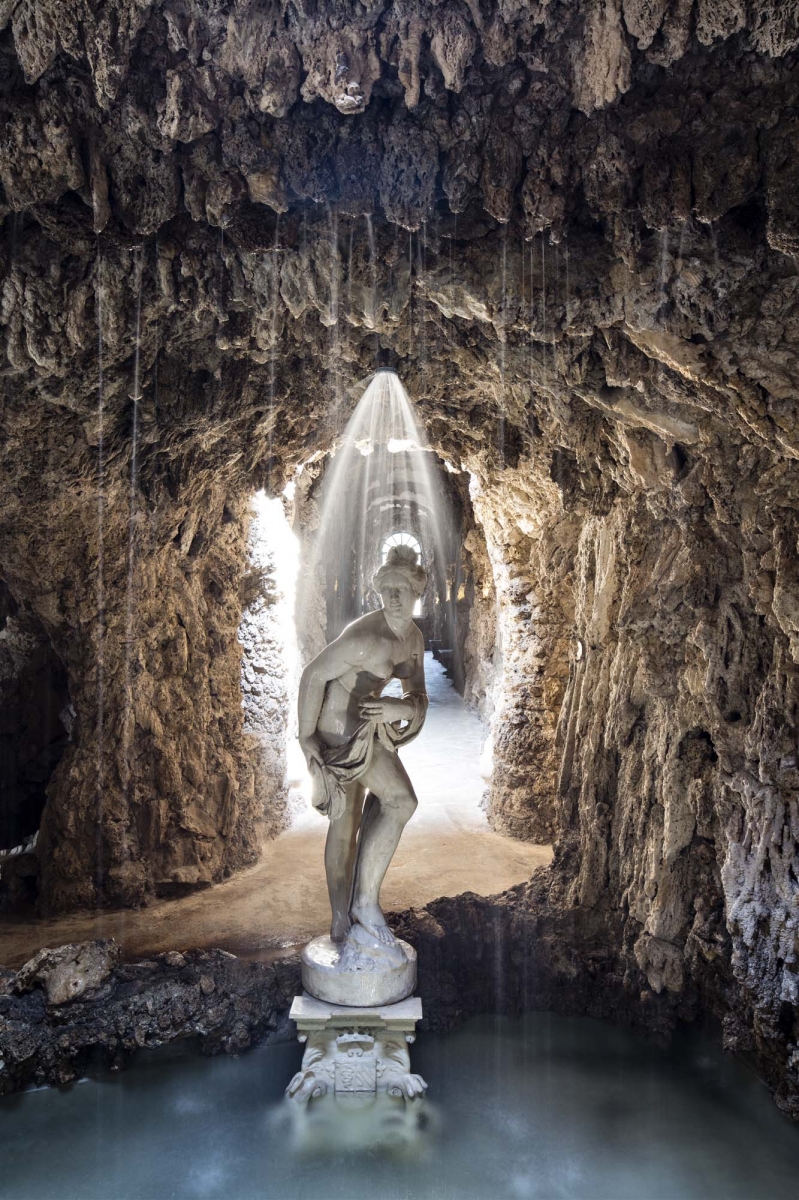
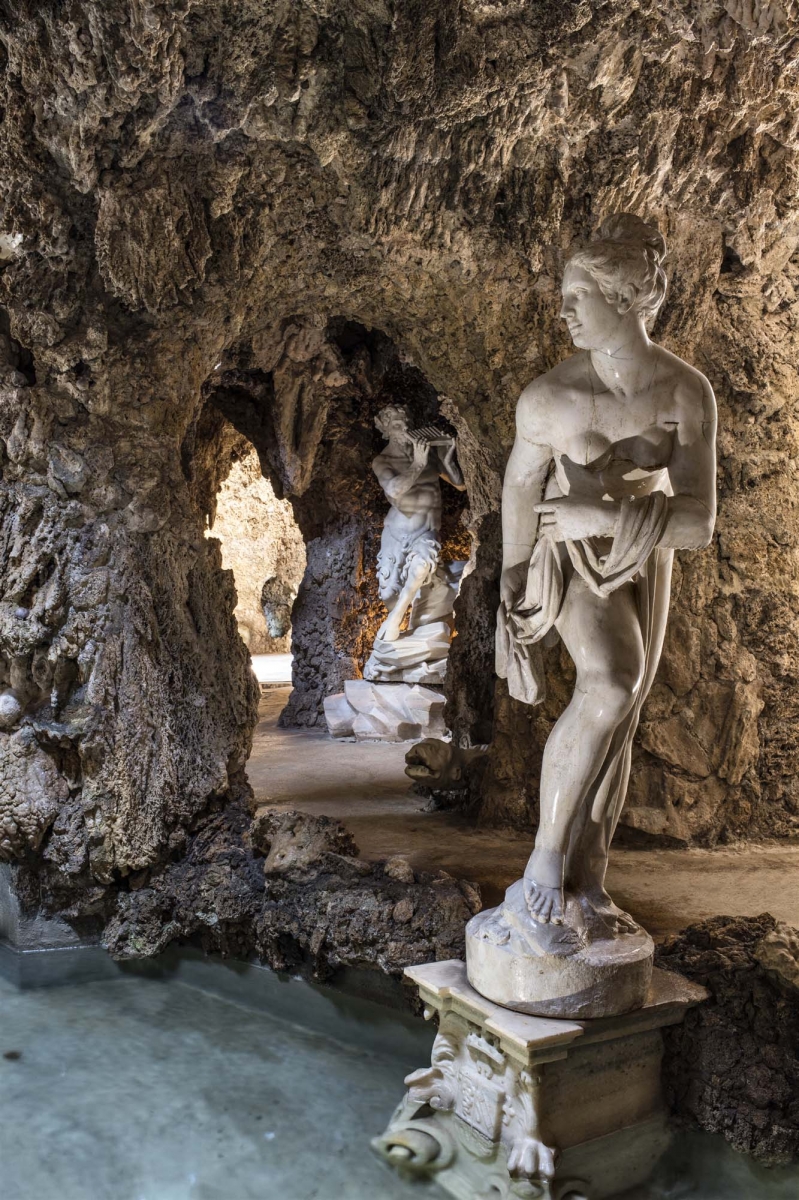
La stessa trasformazione di una semplice residenza di campagna in maestosa villa di delizie è dunque correlata sia ai successi economici raggiunti da Pirro, sia all’attenta politica matrimoniale della sua famiglia. Fu questa a consentirgli, e nel contempo a costringerlo, a chiamare a Lainate grandi artisti, tra i quali appunto Camillo Procaccini, che nella villa seppe introdurre le novità della pittura emiliana, realizzando sequenze affrescate che rimandano alle soluzioni adottate da Correggio nel Duomo di Parma e nella chiesa di S. Giovanni Evangelista nel capoluogo emiliano. Il Procaccini, infatti, introdusse nella villa lainatese invenzioni figurative che negli anni immediatamente successivi al suo arrivo a Milano vennero ampiamente studiate ed imitate dai maggiori esponenti della cultura lombarda di inizio Seicento, come attestano le opere di molti pittori, tra i quali Giuseppe Nuvolone, Andrea Lanzani e Stefano Maria Legnani detto il Legnanino. Il Procaccini lavorò anche nel Ninfeo, che mostra una decorazione tardo cinquecentesca di pregio e di assoluta unicità, grazie all’inedita tecnica pittorica impiegata, che si basa sull’utilizzo di ciottoli di fiume, della quale parla anche lo scrittore e poeta italiano Girolamo Borsieri nel suo “Supplemento della Nobiltà di Milano”, edito nel 1619. In queste sale lo spettatore è letteralmente catturato dalle fitte decorazioni che propongono arabeschi, essenze arboree, animali esotici e creature mitologiche, tra le quali i fauni, le arpie, i draghi, le sirene e i sileni.
Dopo alcuni passaggi di proprietà la villa è divenuta sede del Comune e luogo di numerose manifestazioni culturali di eccellenza e di grande successo.
The villa of Lainate is an admirable affirmation of Lombardy’s artistic and architectural culture of the late 16th century. It is an important testimony to the rituals of living in a villa in an urban setting of that period, often modified to document the prestige achieved by the important aristocratic families. So it is no surprise that the Villa Visconti Borromeo Litta was rebuilt according to the system of country residences dating back to previous centuries, with the aim of surprising and fascinating nobles who frequented this small Lombard Court.
The radical transformations were carried out at the behest of Pirro Visconti Borromeo, considered a refined patron and collector of ancient art, who entrusted the design of the large villa to the architect, Martino Bassi, one of the most active professionals in Milan in the second half of the 16th century. For the decorations, the noble Borromeo family called, among others, sculptor, Francesco Brambilla, and painter, Camillo Procaccini. Pirro Visconti Borromeo invited the latter to Lainate in 1587, where he worked with his brothers, Giulio Cesare and Carlo Antonio, with whom a happy and lasting collaboration was established in the heart of the counter-reform culture of Milan-Lombardy.
Lomazzo was the personal cultural adviser of Pirro and creator of the general iconographic system and the fountain. According to the art historian, Alessandro Morandotti, he was a distinguished painter and writer of treaties from Milan who was able to create his own personal style by combining the lessons of Michelangelo and the noble legacies left by Leonardo da Vinci, with the perspective research of Bramantino and Zenale and the freshness of Gaudenzian paintings.
The decorative elements of the villa of Lainate, which have survived to this day, however, are attributed to different eras. Stylistically the frescoes decorating the halls follow a certain trend that started from the second half of the 16th to the 18th centuries. This variety is to be extended also to the technique applied in the artworks, which is not exclusively attributed to the different phases of the construction of the stately mansion or the personal contributions of individual artists who worked in the palatial home, but is also linked to the trends of the time and the ever changing political-administrative rationale that led the owners to assert with greater or lesser force, the power achieved by their family.
The same transformation of a simple country house into a majestic villa of delights, therefore, is linked to both the economic successes achieved by Pirro, and the careful matrimonial policy of his family. It was this policy that allowed, and at the same time forced him, to call in great artists to Lainate, including Camillo Procaccini who was able to introduce the innovative techniques of Emilian paintings in the villa by creating sequences of frescoes that recall the solutions adopted by Correggio in the Parma Cathedral and in the church of San Giovanni Evangelista/Saint John the Apostle in Bologna. Procaccini, in fact, introduced figurative innovations to the villa of Lainate that in the years immediately following his arrival in Milan, were widely studied and imitated by the major exponents of Lombard culture of the early 17th century, as evidenced by the works of many artists, including Giuseppe Nuvolone, Lanzani Andrea and Stefano Maria Legnani also known as Legnanino.
Procaccini also worked on the Nymphaeum that contained a valuable and absolutely unique decoration of the late-16th century thanks to the new painting technique based on the use of river pebbles, of which Borsieri spoke about in his Supplimento della Nobilità di Milano, published in 1619. In these rooms the viewer is literally captured by the dense decorations of arabesques, tree species, creatures deduced from G.P. Lomazzo, exotic animals and mythological creatures, such as fauns, harpies, dragons, mermaids and Silenuses.
After several changes of ownership, the villa became a town hall and a place for numerous cultural events of great success.